My Kid Quit Their Sport. Now What?
A lot of my best students showed up the week after they quit soccer. Here’s what I’ve learned about that transition after twenty years of teaching.
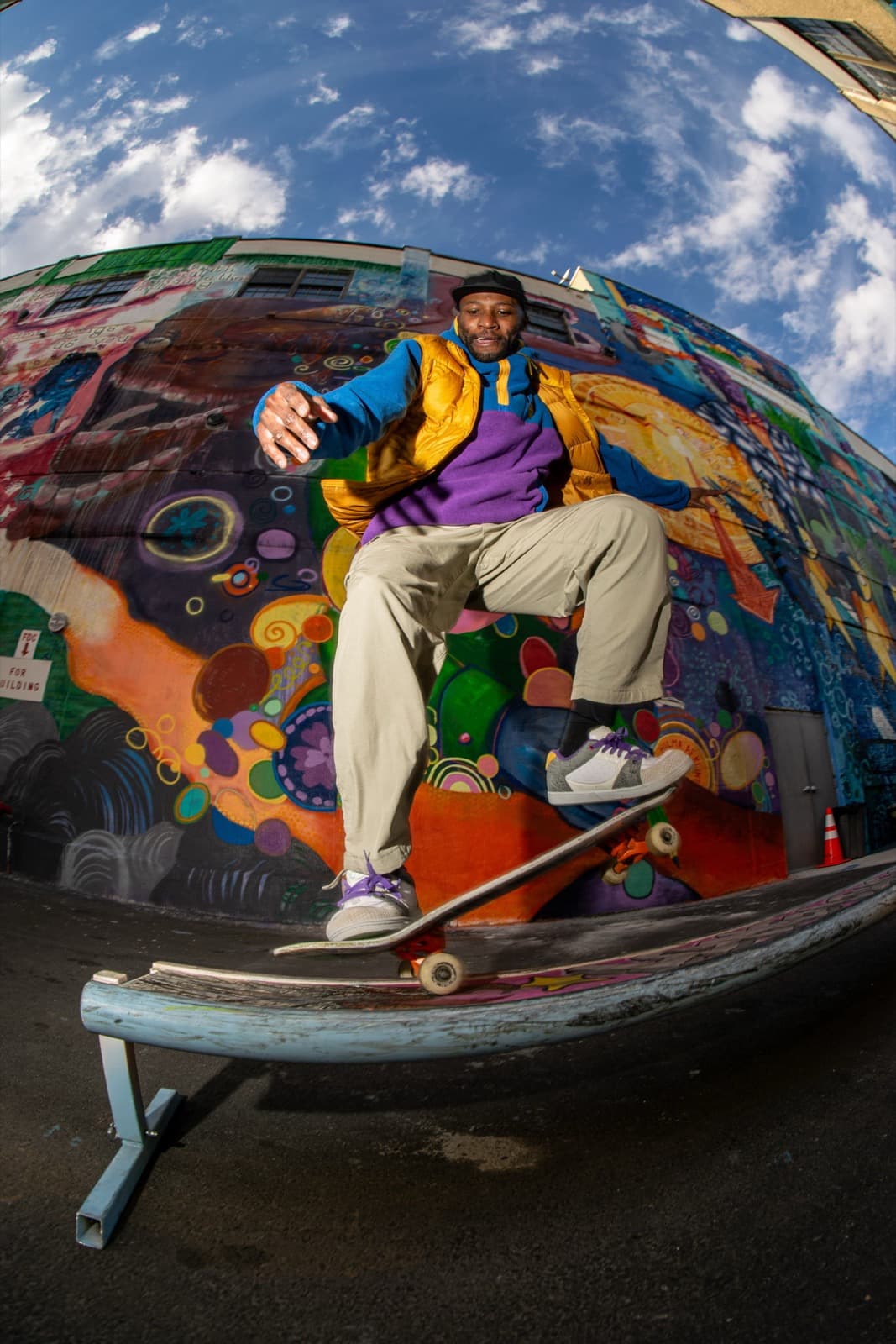
Your kid came home from practice and said they don’t want to go back. Maybe it was soccer. Maybe baseball or basketball. Maybe they made it through half a season, maybe they made it through three years. Either way, they’re done.
If you’re reading this, you’re probably somewhere between worried and frustrated. You signed them up, bought the gear, drove them to every game. You wanted them to have that thing, that activity that keeps them active and gives them a social group and teaches them how to work hard. And now it’s over, and you’re wondering what went wrong.
I can’t tell you what went wrong because odds are nothing did. I’ve been teaching skateboarding for over twenty years, and a huge number of my students are kids who just quit a team sport. Their parents bring them to me because the kid saw someone skating at the park, or a friend has a board, or they just asked. The parents are usually a little skeptical. The kid is usually excited in a way they haven’t been about anything physical in a while. That excitement is the thing to pay attention to.
Is it normal for kids to quit sports?
About 70% of kids drop out of organized sports by age 13, according to the American Academy of Pediatrics. The average child quits by age 11. It is one of the most common things in youth athletics — and in most cases, the kid isn’t quitting movement. They’re quitting a format that stopped working for them.
When a kid quits a sport, parents tend to treat it like a character problem. They worry their kid is a quitter, that they’re learning it’s okay to give up. I get why that feels scary. But that’s almost never what’s happening.
Most kids quit team sports because the environment stopped working for them. A George Washington University study found that 9 out of 10 young athletes say fun is their primary reason for playing — and when it stops being fun, they leave. The coach yelled too much. They sat on the bench more than they played. The other kids were way ahead of them. Practice felt like a chore. Those are legitimate reasons to walk away. Adults quit jobs for less.
Your kid didn’t quit being active. They quit a specific structure that wasn’t serving them. There’s a difference, and the difference matters. A kid who quits soccer because they hated standing in the field for forty minutes isn’t lazy. They’re bored. A kid who quits baseball because the coach only plays them for one inning isn’t soft. They want to participate. Those are signs of a kid who needs a different setting, not a kid who needs to be pushed harder through a setting that’s already failing them.
The scarier number is this: according to the Aspen Institute, 36% of kids who quit sports quit physical activity entirely and default to screens. That’s the outcome worth worrying about — not the quitting itself, but the gap that opens afterward if nobody fills it with something better.
Why do kids who quit team sports take to skateboarding?
Skateboarding removes the three things that drive most kids out of team sports: coach pressure, bench time, and comparison to teammates. It’s self-paced, individually driven, and there’s no tryout. Kids who felt trapped by the structure of organized sports often respond immediately to the freedom of skating.
I’ve seen this play out hundreds of times. A kid quits their sport, the parent books a skateboard lesson, and the kid takes to it faster than either of them expected. There are a few reasons this keeps happening.
First, kids who played another sport already have a physical foundation. They have some coordination, some body awareness, some sense of how to use their legs. They might not realize it because those skills didn’t translate into being good at soccer, but they absolutely translate to a skateboard. A kid who played two years of baseball has better balance than they think. That stuff carries over.
Second, these kids are motivated in a specific way. They’re not being signed up for something their parent chose. They asked for this. When a kid comes to me after quitting a team sport, they’re usually looking for something that feels like theirs, not something they were placed into. That ownership changes everything about how they show up to a lesson.
Third, the structure is different. There’s no practice schedule they’re forced to follow. No mandatory games on Saturday mornings. No coach deciding who plays and who watches. They learn at their own speed, pick what they want to work on, and stop when they’re tired. For a kid who felt trapped by the rigidity of organized sports, that freedom is exactly the thing they were missing.
Want to try it yourself?
Book a private lesson with Leon. NYC and Westchester, all ages and skill levels.
What happens when a kid who quit sports tries skateboarding?
Most kids come around within the first twenty minutes. The ones who are relieved to be done with their old sport take to it fast. The ones who are guarded take a little longer — but once they realize nobody’s keeping score, something shifts.
The kids who come to me after quitting a sport usually fall into one of two categories.
Some of them are relieved. They hated their old sport and they’re just happy to be doing something new. These kids tend to be loose, open to trying things, willing to fall. They pick up the basics quickly because they’re not carrying any baggage from the previous experience. They’re starting fresh and they know it.
Others are guarded. They got burned by the last thing and they’re waiting for this one to go bad too. Maybe they were told they weren’t good enough, or they spent a season feeling invisible on the team. These kids take a little longer. They watch me more than they listen. They test whether I’m going to criticize them or compare them to someone better.
Both types usually come around within the first twenty minutes. The relieved kids because skating is fun and they can feel it right away. The guarded kids because nobody’s yelling at them, nobody’s benching them, and the only person they’re competing with is themselves. Once a guarded kid realizes I’m not keeping score, something shifts. You can see their shoulders drop. They stop looking at me for approval and start looking at the board. That’s the moment.
I wrote more about this dynamic in my post on teaching shy and nervous kids. The patterns overlap a lot.
Are team sports bad for kids?
No. Team sports work well for kids who thrive with structure, social connection, and group goals. But they’re not for every kid — and a child who doesn’t take to team sports isn’t unathletic. They may just need a different format.
I want to be clear about something. I’m not here to tell you team sports are bad. They’re not. Some kids love them. Some kids need the structure, the social connection, the feeling of working toward something with a group. Those kids should absolutely keep playing.
But they’re not for every kid. And that’s fine. The problem is that most parents default to team sports because that’s the obvious path. Sign-ups happen at school, the neighbors’ kids are on the team, it’s just what you do. So a kid who doesn’t take to it can end up feeling like there’s something wrong with them, when really the format just isn’t their thing.
I’ve had parents tell me their kid “isn’t athletic.” Then I watch that same kid spend an hour on a skateboard, falling and getting back up over and over, sweating through their shirt, completely locked in. That kid is athletic. They just needed the right container for it. I go deeper on this in my post about kids who don’t like team sports.
What should you do when your child quits their sport?
Give them space to decompress, then ask what sounds fun — not what sounds productive. Try a single low-commitment lesson in something new before signing up for a full season, and avoid framing quitting as failure. The language you use now shapes how they think about trying new things for years.
If your kid just quit their sport, here’s what I’d say from twenty-plus years of working with families in this exact situation.
Don’t panic. Give them a week or two to decompress. Some kids need space before they’re ready to try something new. Others want to jump right in. Follow their lead on the timing.
Ask them what sounds fun. Not what sounds productive or character-building. Fun. Kids are more honest about what they want than adults give them credit for. If they say skateboarding, take that seriously. If they say rock climbing or swimming or martial arts, take that seriously too. The point is to find something they want to do, not something you want them to do.
Try a single lesson before committing to a season of anything. One of the things that burns kids out on team sports is the mandatory six-month commitment before they even know if they like it. A skateboard lesson is one session, one hour. If they love it, great. If they don’t, you’re out an hour and the cost of one lesson. Low stakes for everyone.
And resist the urge to frame their old sport as something they failed at. The language you use around quitting shapes how they think about it for years. “Soccer wasn’t your thing, let’s find what is” lands very differently than “you need to learn to stick with things.”
Do kids who quit sports make good skateboard students?
Often, yes. Kids who quit team sports frequently progress faster in skateboarding than kids with no sports background. They already understand practice and physical effort — they just need an environment where those qualities are self-directed rather than coach-driven.
This sounds like something I’d say to make parents feel better, but I mean it. The kids who come to me after quitting a sport are often the ones who progress fastest. They have something to prove, mostly to themselves. They want to be good at something physical, and they’ve been waiting for the right something. When they find it, they go hard.
Skateboarding also teaches resilience in a way that sticks, because the kid is choosing to get back up. Nobody told them to. Nobody’s making them run the drill again. They fell, and they got back on because they wanted to. That’s a different kind of toughness than being told to tough it out by a coach.
If your kid just quit their sport and you’re trying to figure out the next move, book one lesson. That’s it. You don’t need to buy a board yet, you don’t need gear (I have loaners), and you don’t need your kid to be enthusiastic about it ahead of time. Just get them there. I’ll handle the rest.
Check out kids’ lesson options or go ahead and book a session.
Frequently Asked Questions
Is it normal for kids to quit team sports?+
Yes. About 70% of kids drop out of organized sports by age 13. Common reasons include too much pressure, not enough playing time, and lack of enjoyment. Quitting a sport isn't failure — it's a kid figuring out what works for them.
What should I do when my child wants to quit their sport?+
Listen to why they want to quit. If they're burned out or unhappy, forcing them to continue usually makes it worse. Help them find a physical activity that fits them better. Many kids who quit team sports do well in individual activities like skateboarding, where they set their own pace.
Is skateboarding a good alternative to team sports?+
For many kids, yes. Skateboarding builds coordination, balance, persistence, and confidence without the pressure of competition or tryouts. It's self-directed, so kids who felt stifled by structured team settings often respond well to the freedom of skating.
Will my child still get enough exercise from skateboarding?+
Skateboarding is a full-body workout that builds core strength, leg strength, balance, and cardiovascular fitness. Most kids skate longer than they'd play in a typical team practice because they're genuinely having fun.
Can my child start skateboarding with no experience?+
Absolutely. Most kids in lessons have zero skateboarding experience. A good instructor starts with the basics — stance, balance, pushing, stopping, and how to fall safely. Kids who played other sports often pick it up faster because they already have some coordination and body awareness.
Ready to get them started?
One-on-one skateboard lessons for kids in NYC and Westchester. No tryouts, no bench, no pressure. Just a board and a patient instructor.
Book a Lesson