You Can’t Prompt Your Way to a Kickflip
Some skills are still earned with your feet.
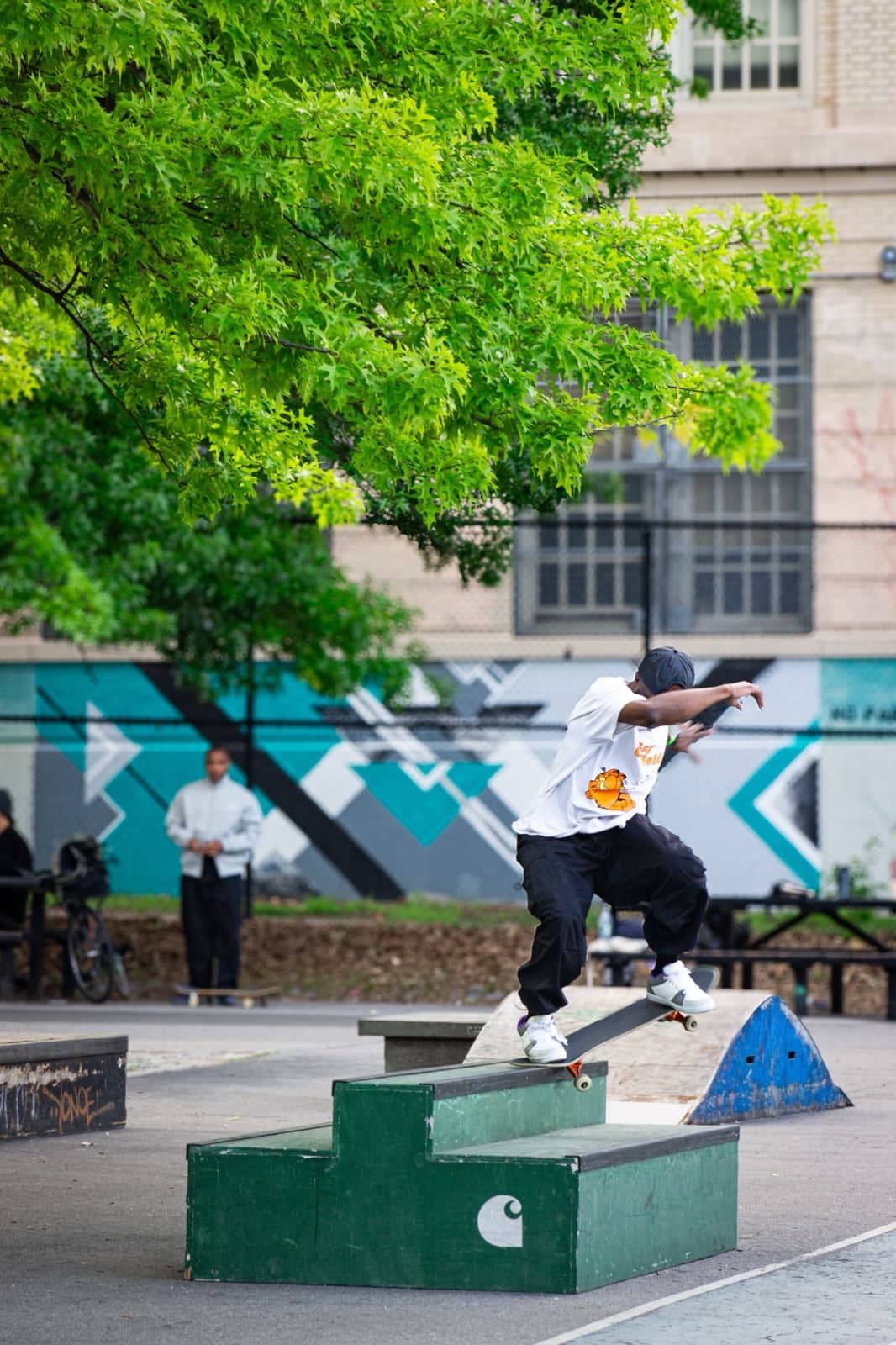
Leon has been teaching people to skateboard for over 20 years. The questions have changed. It used to be “where do I start?” Now it’s usually “can’t I just watch videos and figure this out?”
You can watch every tutorial ever filmed. Study slow-motion footage of heel placement. Ask ChatGPT to write you a training plan. None of that teaches your ankles what a kickflip feels like the half-second before the board leaves the ground.
Can You Actually Learn to Skateboard from Videos and AI?
You can learn what a kickflip looks like. You cannot learn what one feels like. Motor learning research consistently shows that proprioceptive feedback—the physical information your feet get from the board—drives roughly 70% of skill acquisition in balance-based activities. No tutorial replicates that. The board teaches through contact, not content.
The board gives you feedback through your feet, and you either feel it or you don’t. That only happens when you’re standing on it.
Leon uses video review with students all the time, so this isn’t some anti-technology thing. But there’s a difference between a tool that supports practice and one that tries to skip it. A prompt can spit out a lesson plan in three seconds. It can’t produce the hours of practice that happen before anything clicks.
Some things still start with showing up
Leon teaches skateboarding the way it has always been learned — in person, on a board, one session at a time.
Book a LessonWhy Are Parents Choosing Skateboarding as a Screen-Free Activity?
Because shortcuts are everywhere else. A 2024 Common Sense Media survey found 58% of parents believe their children struggle to persist through difficult tasks. Skateboarding is one of the few activities left where progress is earned exclusively through repetition and physical effort—no prompt, no cheat code, no algorithm to smooth the path.
Kids now can make music, write essays, generate art and code without learning the craft underneath. Some of it is genuinely good. But parents are noticing something. Their kids are getting better at directing machines and worse at sticking with anything that takes physical patience. The willingness to be bad at something for a while, to earn it slowly, that muscle is atrophying.
That’s a big part of why more families are signing up for skateboard lessons. Skating has always been around. What’s changed is parents specifically wanting their kid to have one activity where there’s no shortcut. Where you have to show up and fall and keep going.
Want to try it yourself?
Book a private lesson with Leon. NYC and Westchester, all ages and skill levels.
Why Are Adults Signing Up for Skateboard Lessons?
Because optimized lives need an antidote. Adult participation in skateboarding grew 34% between 2020 and 2024 according to the Sports & Fitness Industry Association. The appeal is not nostalgia—it is the rare experience of being a genuine beginner at something physical, where the only feedback loop is between your feet and the pavement.
Adults want this too. The 35-year-old who books a lesson isn’t just being nostalgic. She’s tired of everything in her life being optimized and efficient. She wants to be bad at something and slowly get better. The board is perfect for that. It doesn’t care about your job title or how many hours you’ve logged on a screen. It only responds to what your feet do.
Leon sees it play out every week. A kid lands something after six sessions of trying, and the look on their face has nothing to do with content or algorithms. They did a hard thing and nobody helped except gravity and repetition. That’s how skateboarding builds resilience.
You can’t prompt your way to a kickflip. That’s the whole point.
Frequently Asked Questions
Can you learn to skateboard from YouTube videos?+
Why is skateboarding a good screen-free activity for kids?+
Do adults take skateboard lessons?+
How many skateboard lessons does it take to learn?+
Get off the screen
Skateboard lessons in NYC and Westchester. No experience needed. Just a willingness to fall and try again.
Book a Lesson